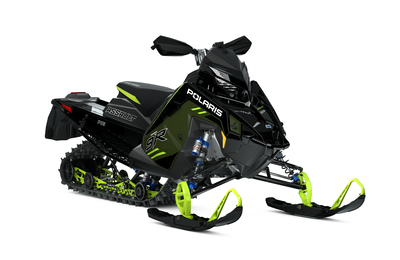
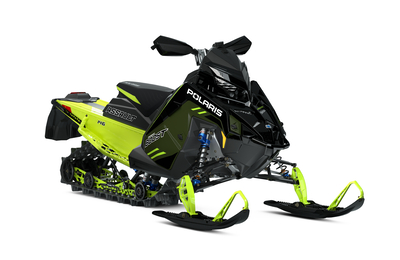
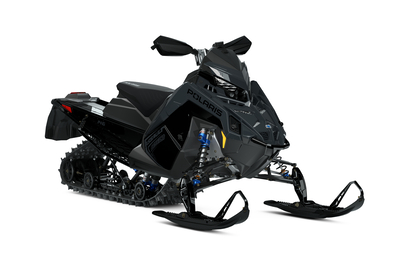
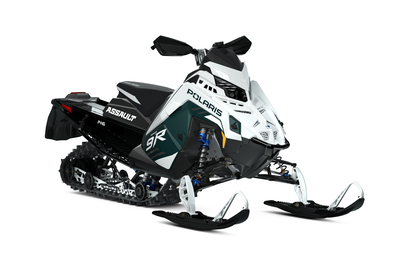
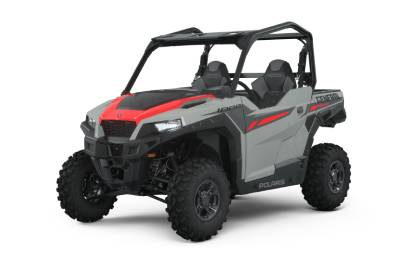
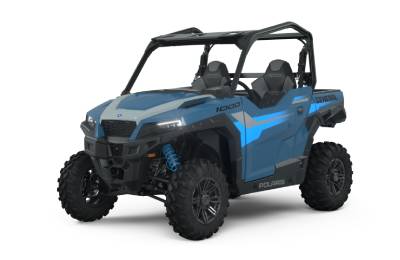
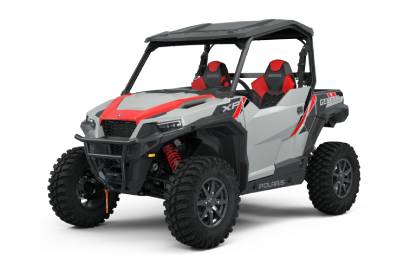
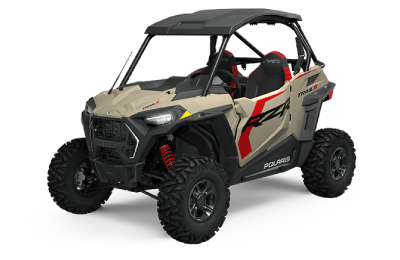
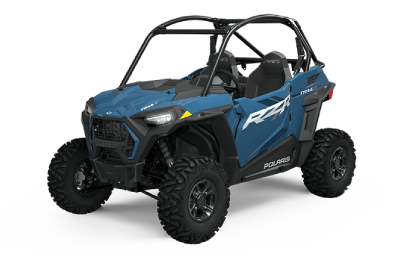
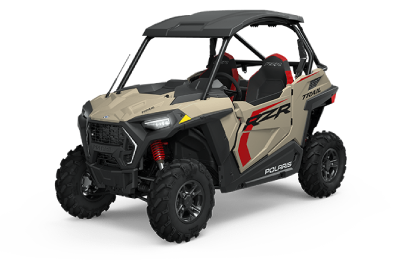
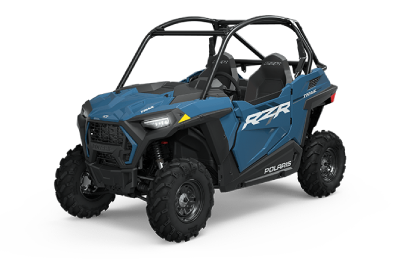
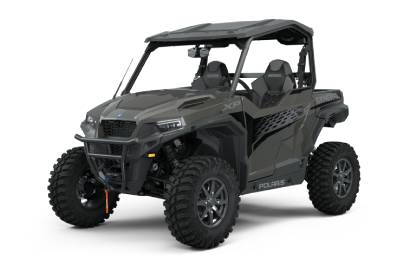
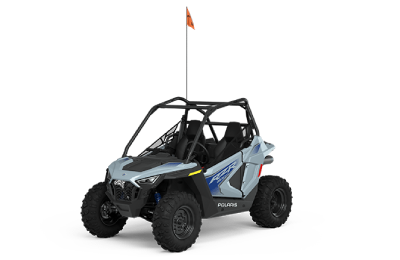
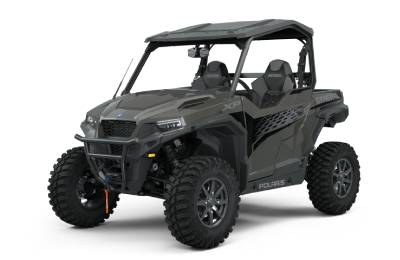
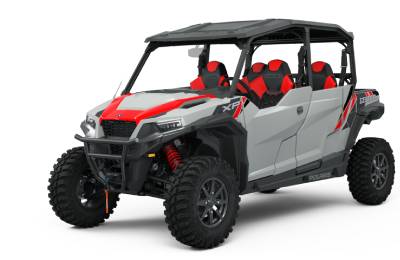
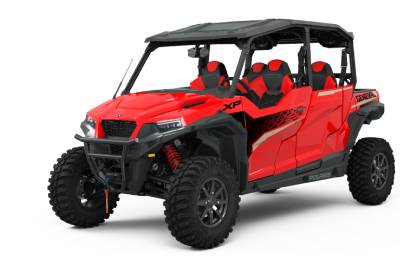
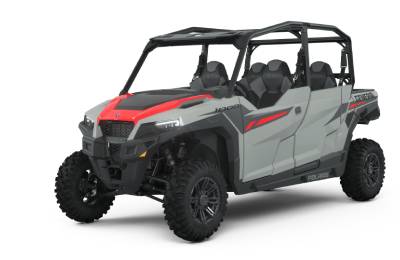
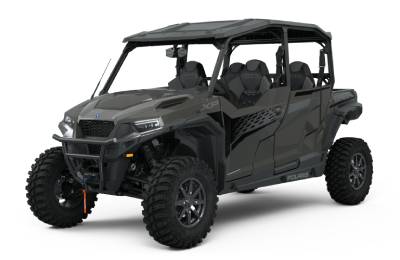
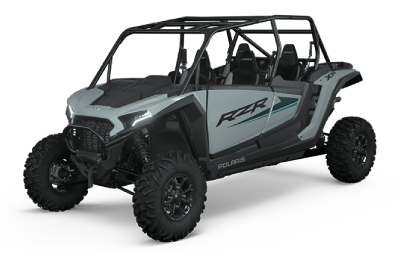
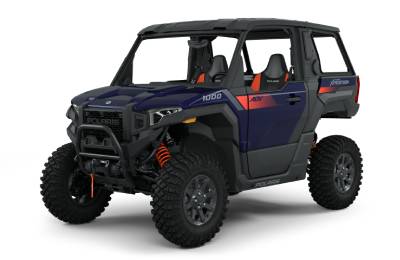
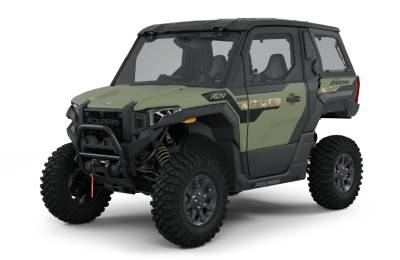
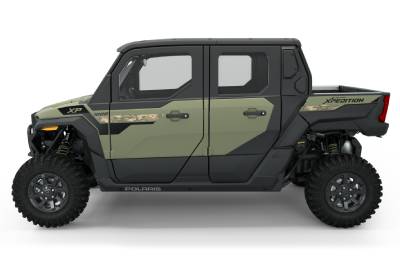
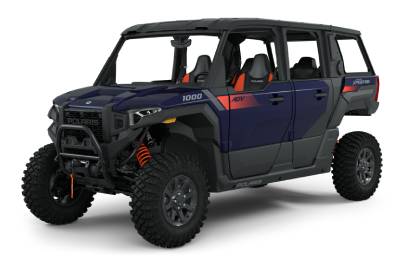
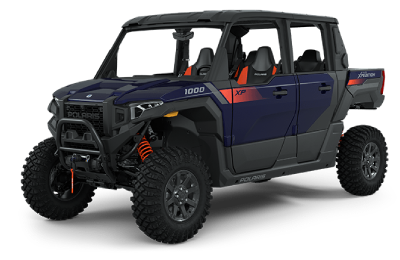
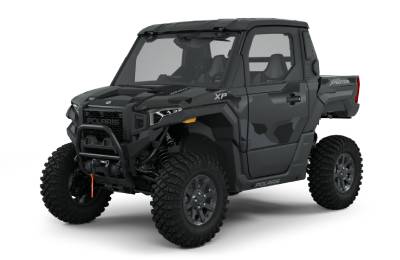
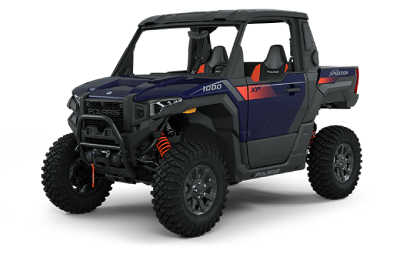
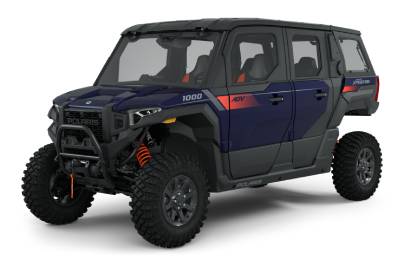
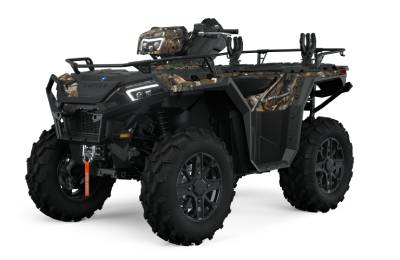
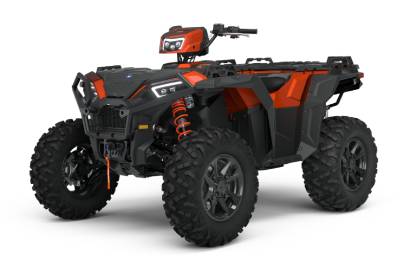
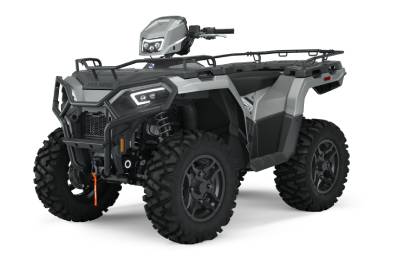
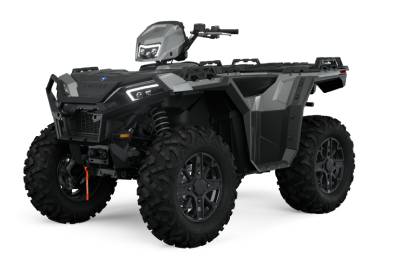
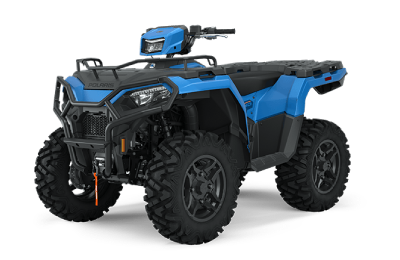
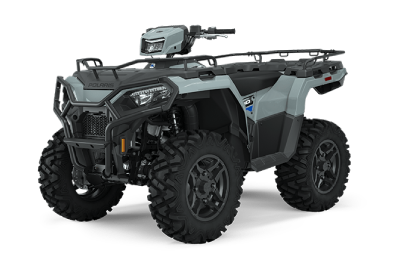
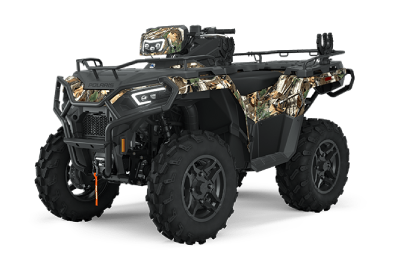
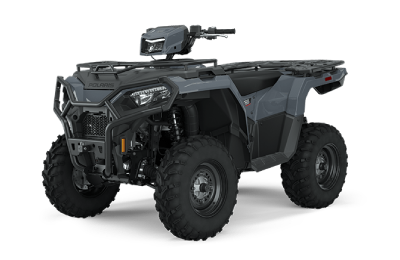
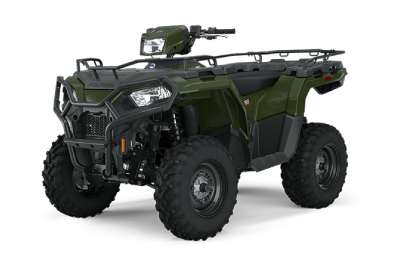
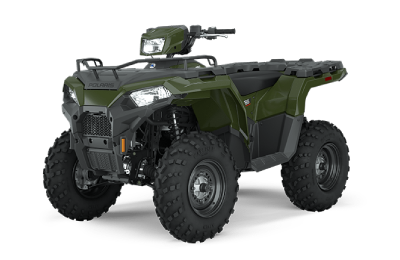
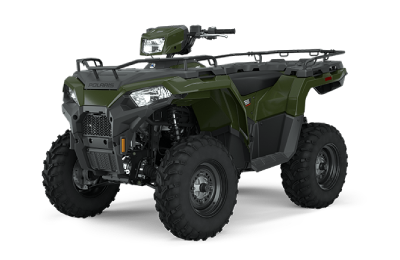
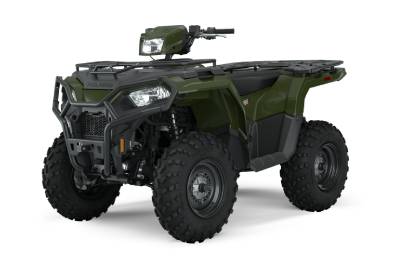
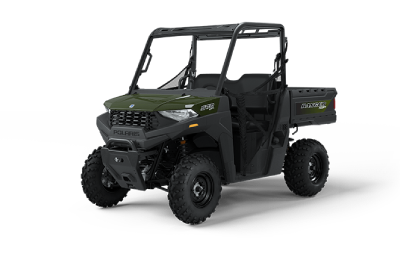
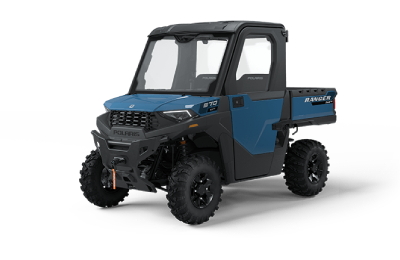
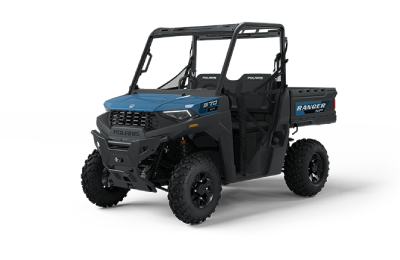
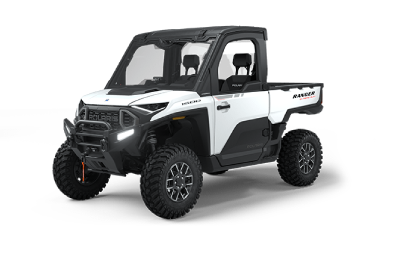
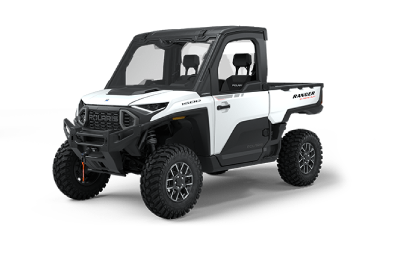
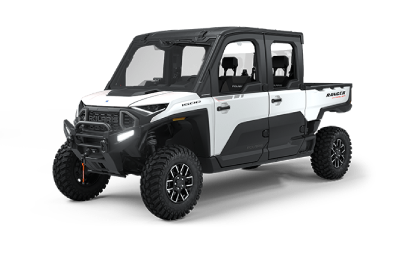
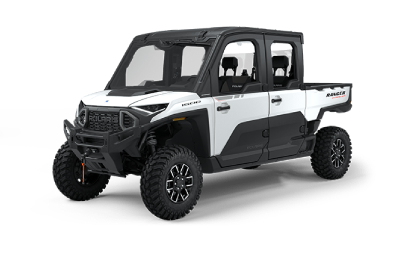
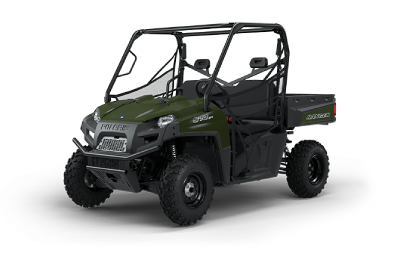
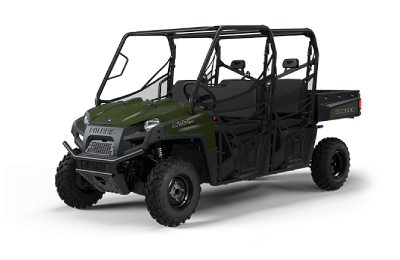
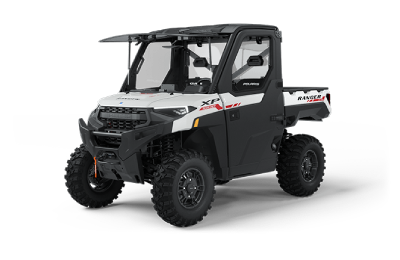
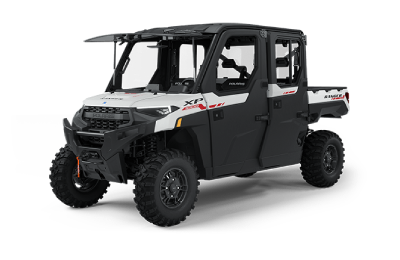
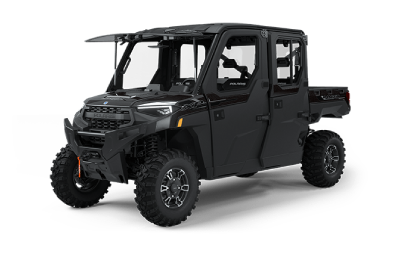
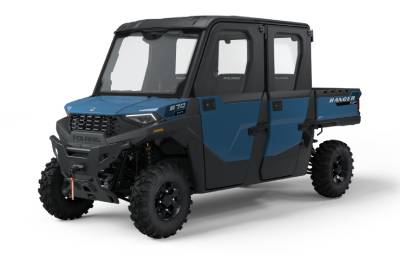
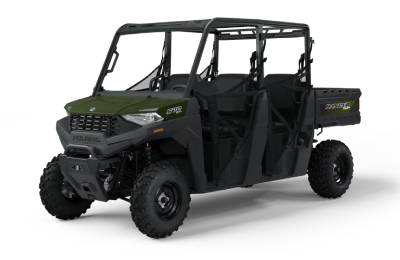
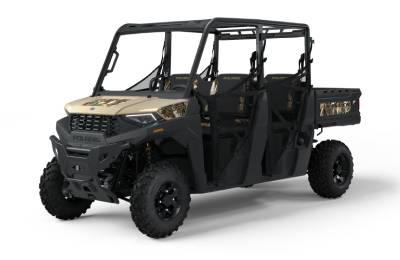
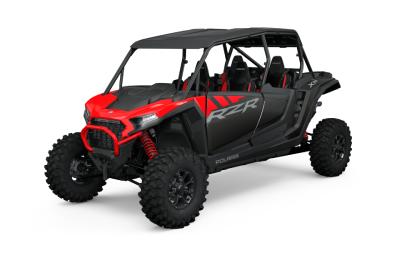
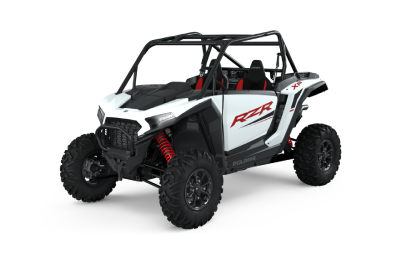
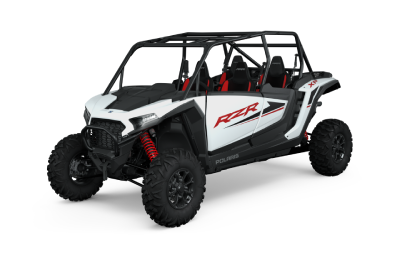
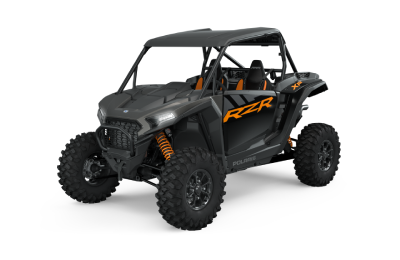
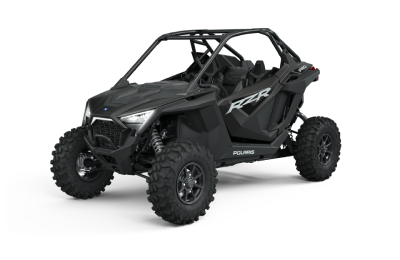
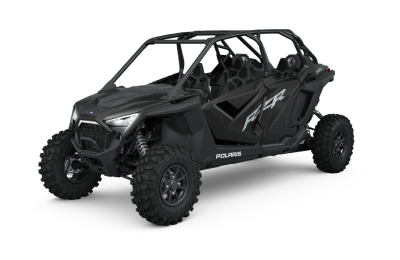
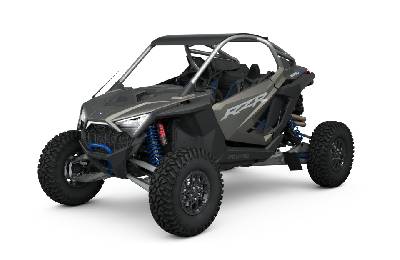
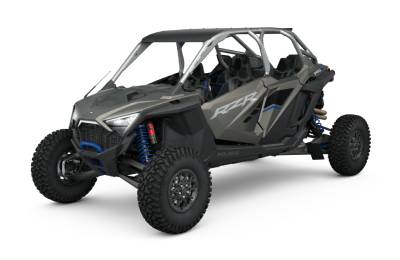
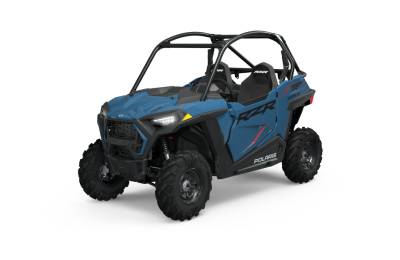
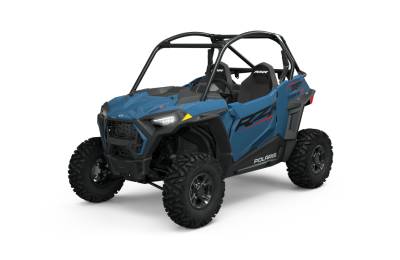
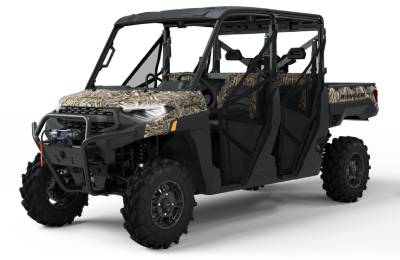
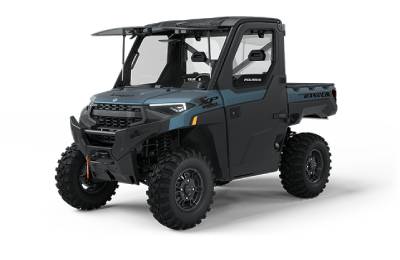
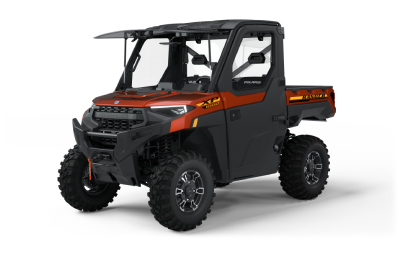
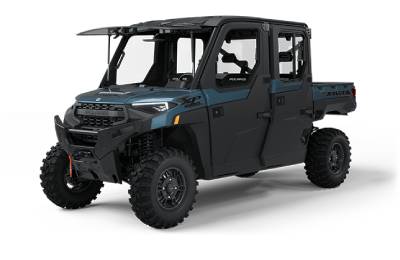
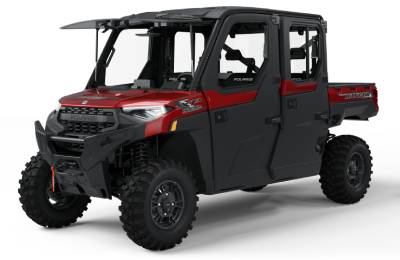
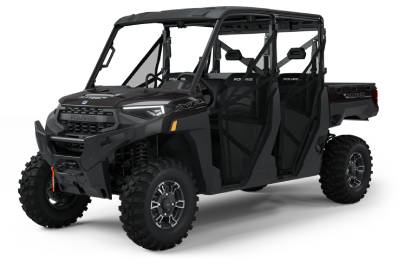
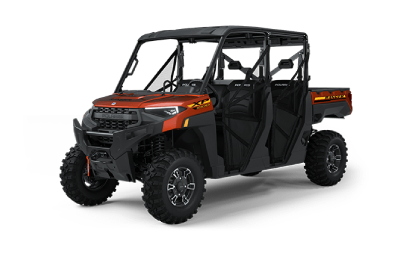
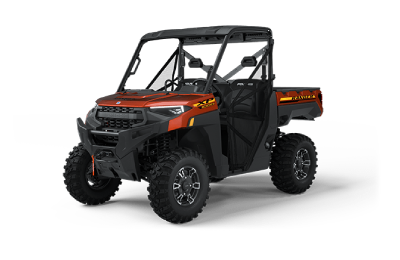
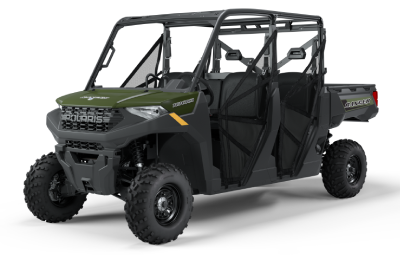
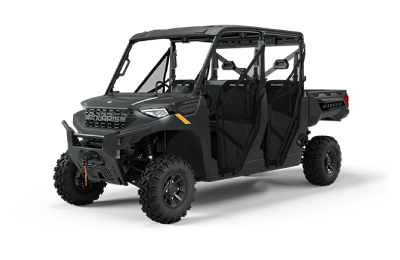
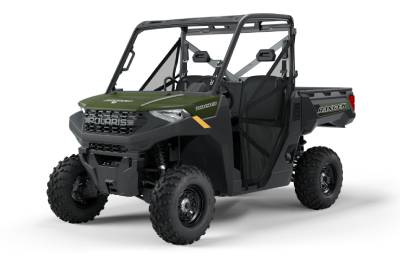
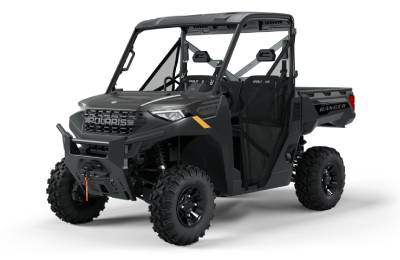
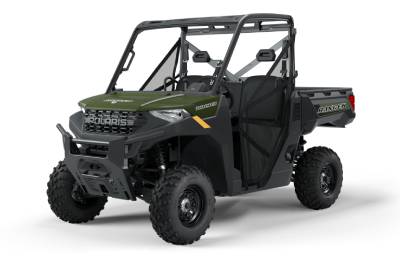
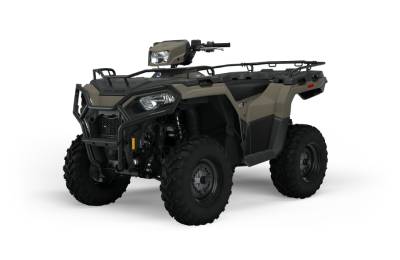
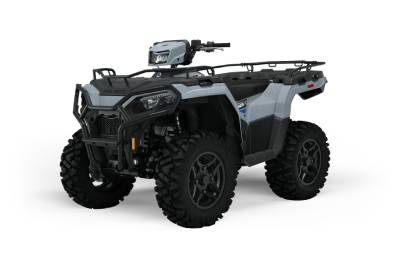
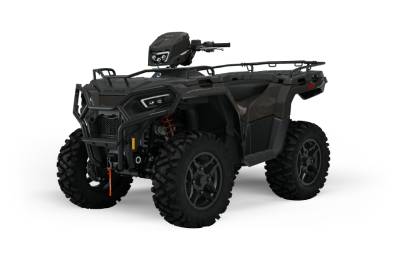
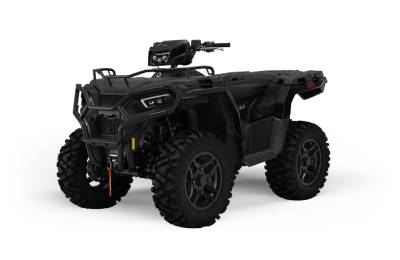
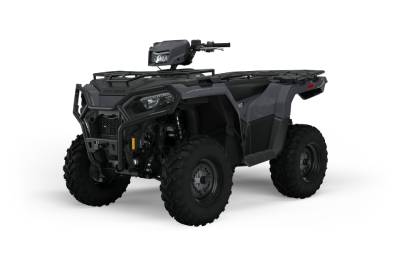
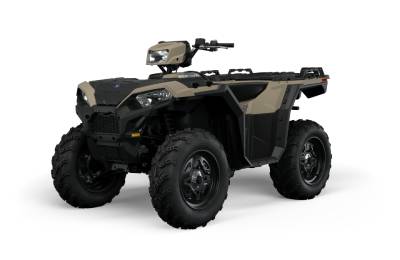
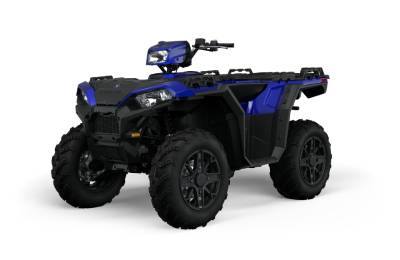
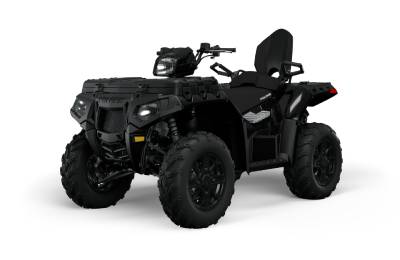
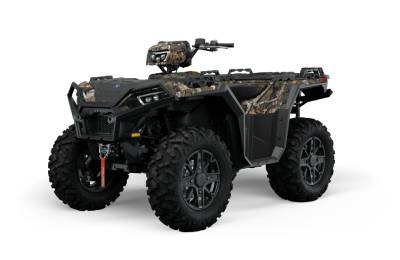
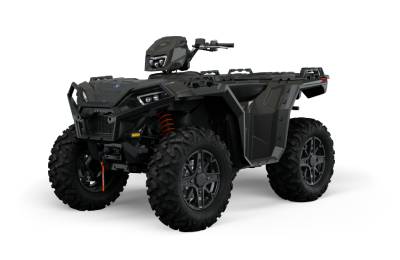
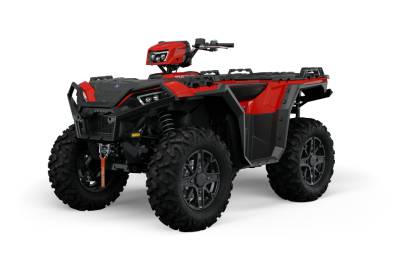
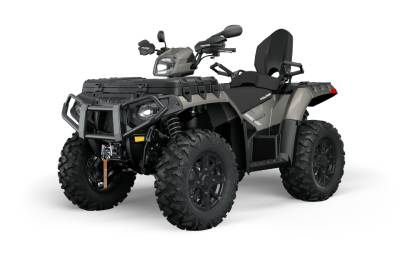
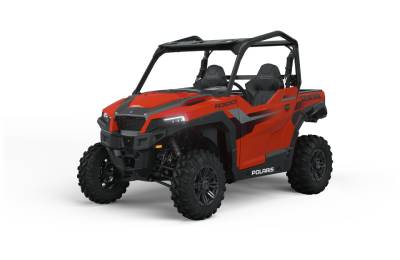
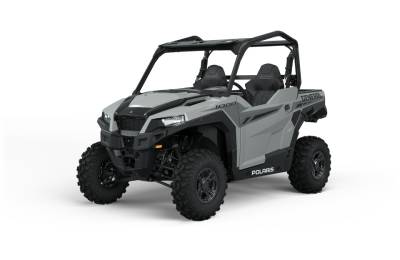
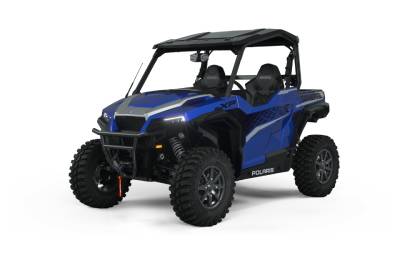
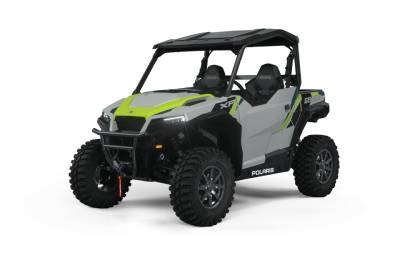
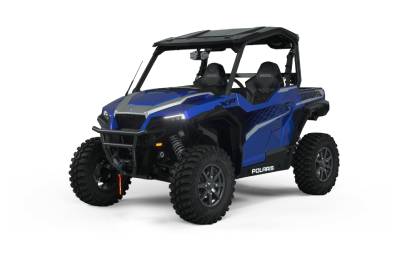
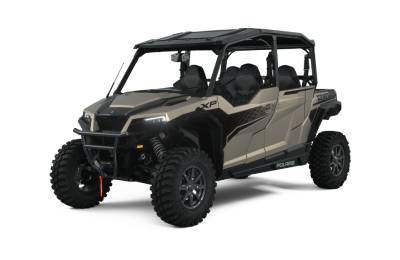
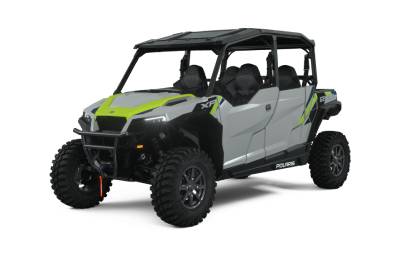
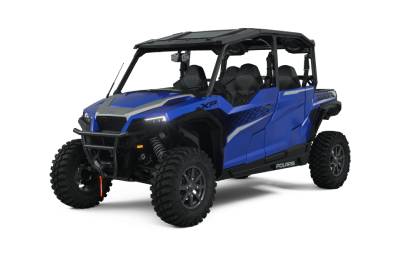
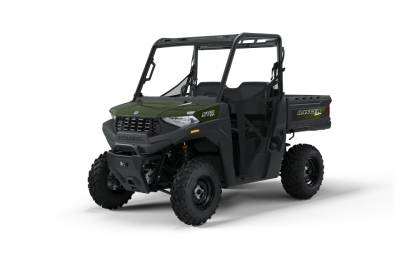
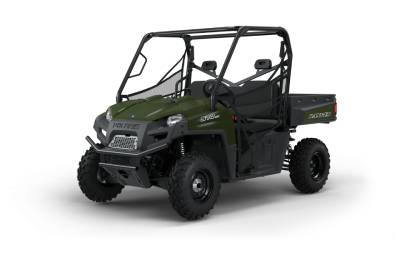
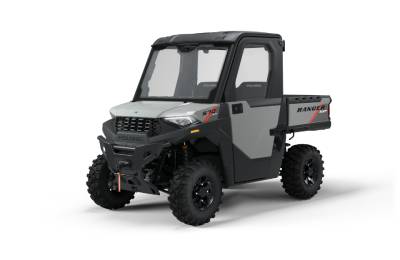
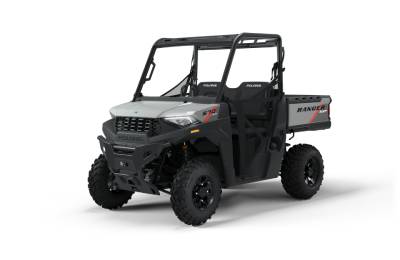
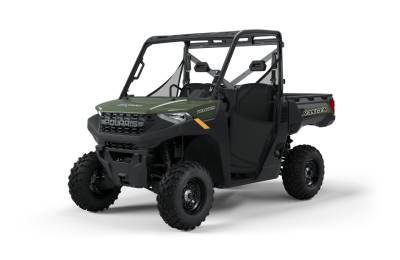
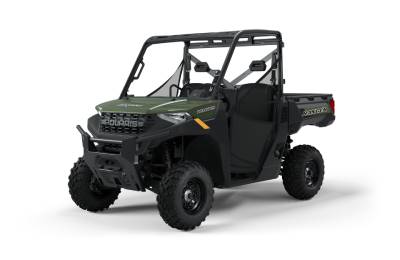
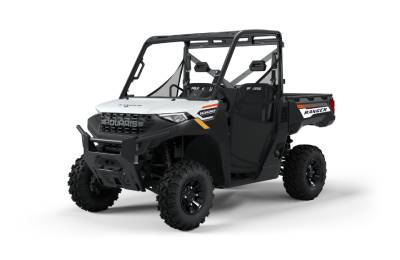
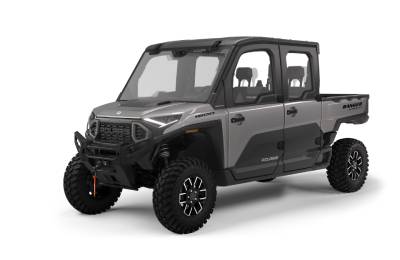
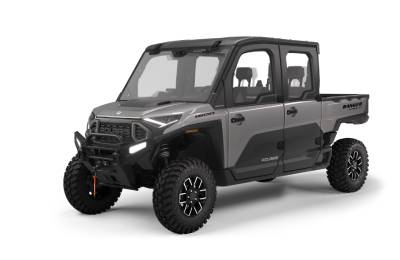
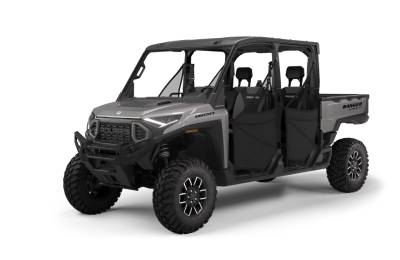
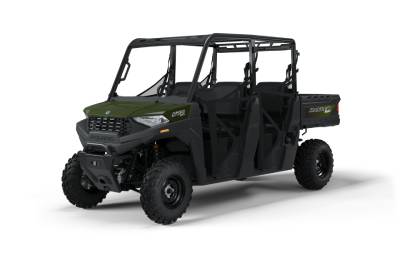
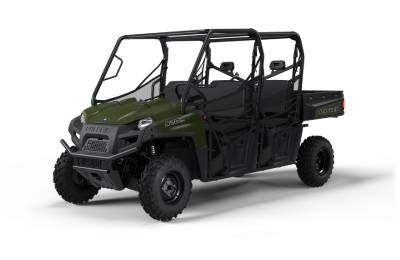
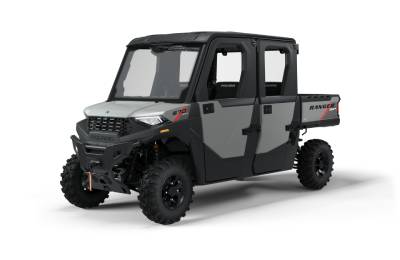
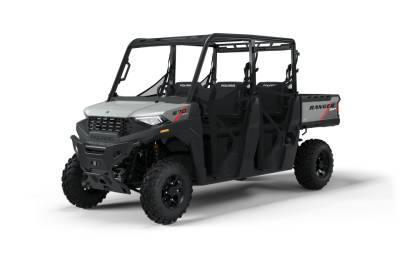
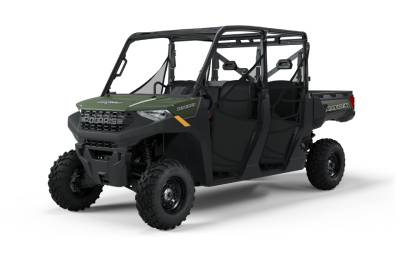
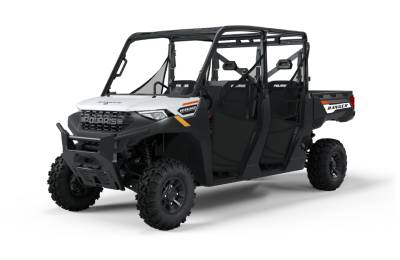
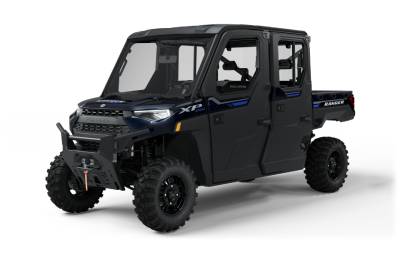
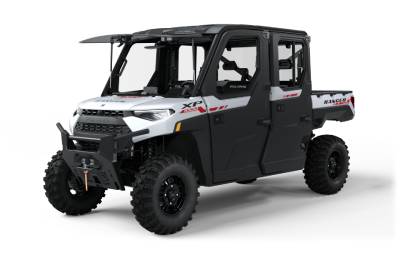
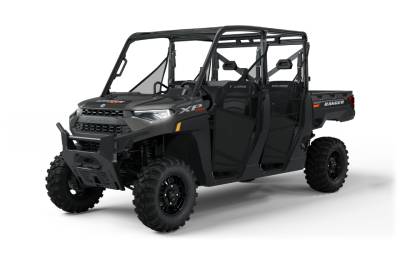
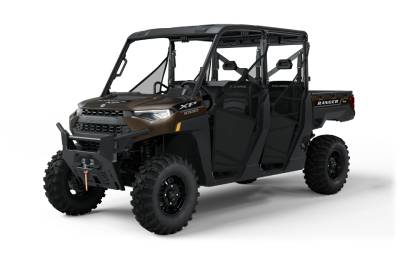
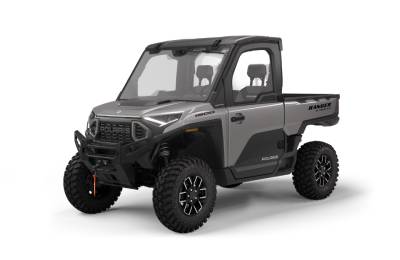
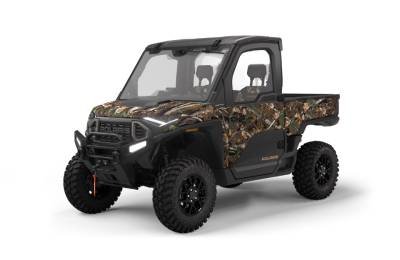
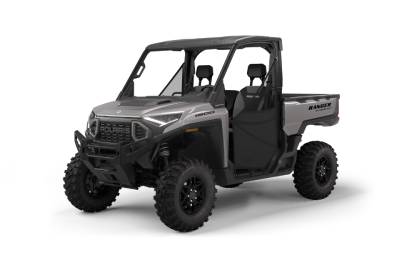
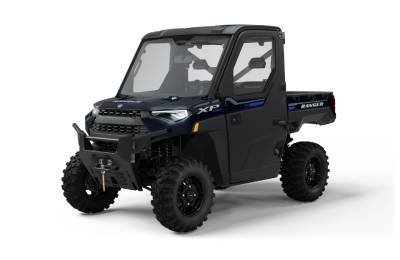
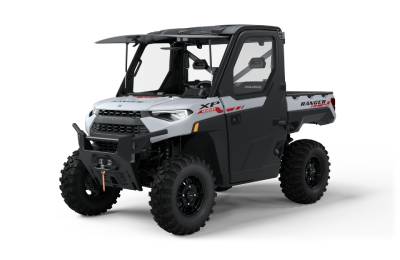
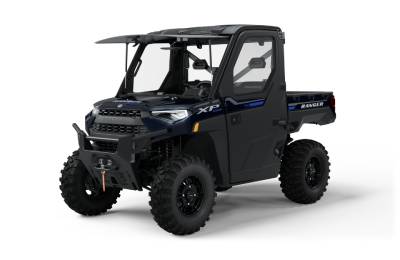
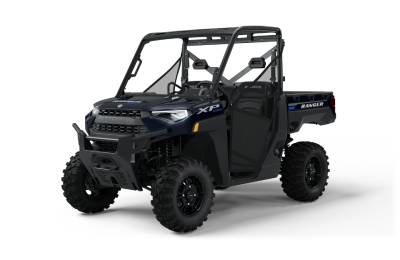
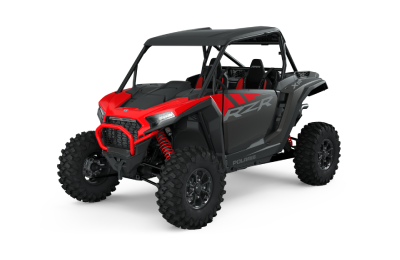
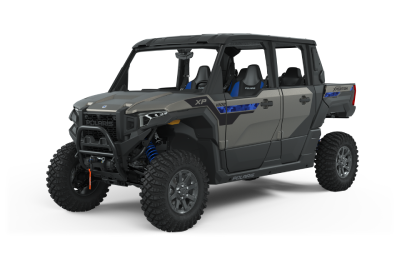
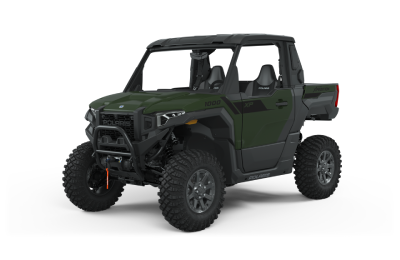
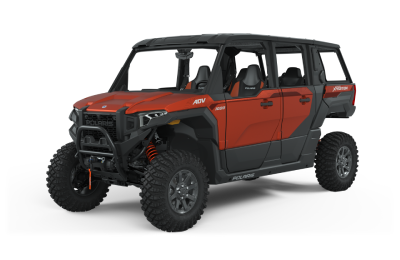
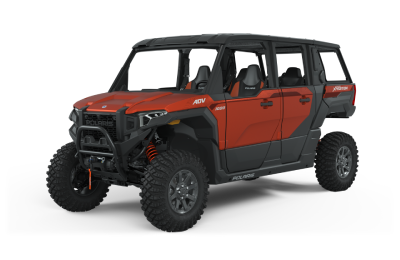
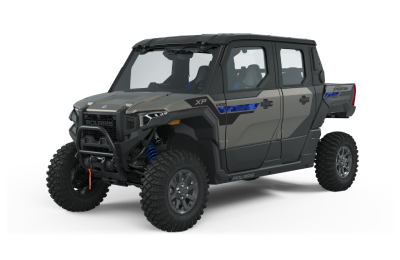
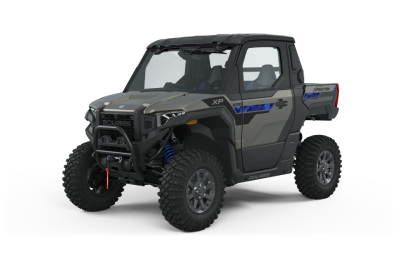
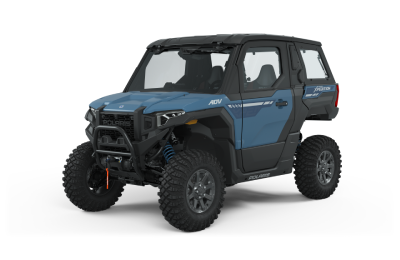
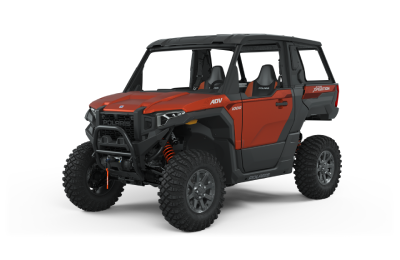
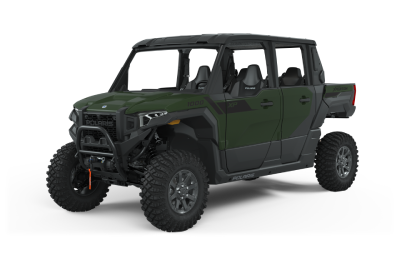
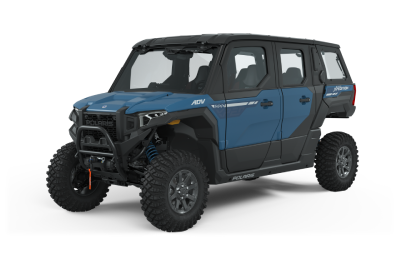
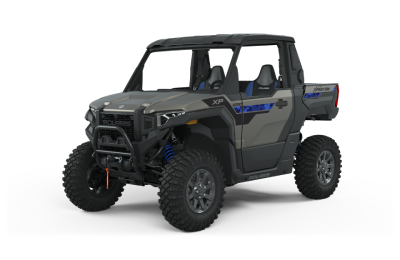
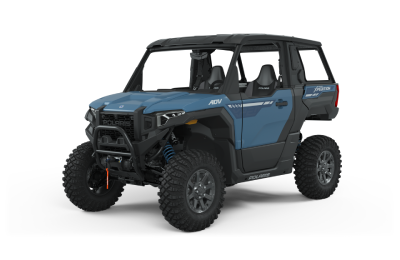
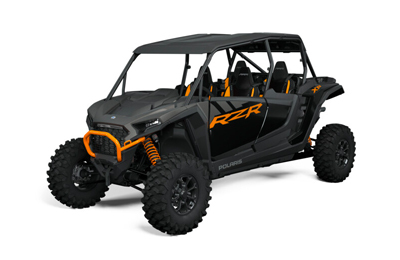
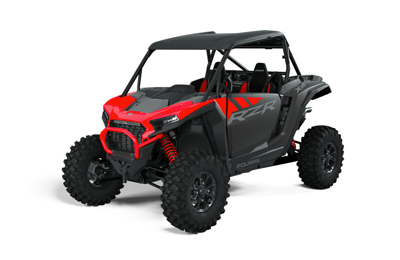
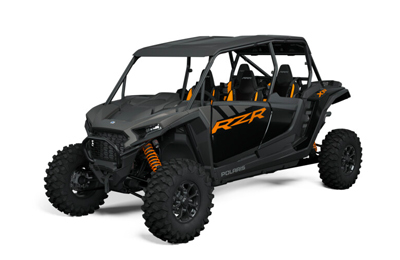
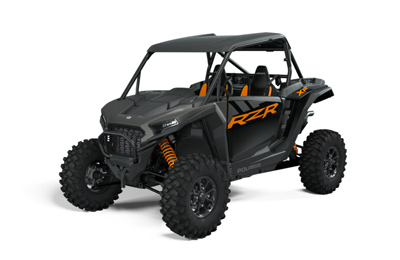
The 2026 Polaris Ranger 1000 introduces meaningful upgrades focused on comfort, control, and year-round usability. With the addition of the new CAB trim, refined transmission and steering systems, improved ride quietness, and updated colors, it delivers a more capable and work-ready experience across the entire lineup. For those comparing trims, exploring specs, or evaluating overall value, the latest Ranger 1000 offers a practical balance of performance and everyday utility.
At Weeks Polaris, we are committed to helping you find the right machine for your needs, whether that means tackling tough jobs or enjoying time on the trail. Our team is here to assist with sales, service, parts, and ongoing maintenance, ensuring your Ranger 1000 performs at its best. Contact Weeks Polaris today to learn more, ask questions, or schedule a visit to see the 2026 Polaris Ranger 1000 in person.
One of the biggest strengths of the Ranger 1000 is how well it adapts to different environments. From early mornings on the job site to weekend trail rides, it delivers consistent performance without compromise.
Key highlights include:
The 2026 updates are not just about adding features; they improve how the machine feels every time you use it.
For many buyers searching for a new Polaris Ranger 1000 for sale, the appeal comes down to practicality. It is not just capable on paper; it performs reliably in real-world conditions where consistency matters most.
If you want to see how the 2026 Ranger 1000 fits into your daily routine, visit Weeks Polaris and explore the lineup in person. A closer look often reveals just how much these updates improve comfort, usability, and overall performance.
The new Ranger 1000 CAB trim brings a practical upgrade that many riders have been waiting for. It delivers factory-installed protection and comfort features that were previously limited to higher-end models or added later as accessories. The result is a more complete machine right off the lot, especially for those who work outdoors year-round.
Stepping into the CAB trim immediately changes the experience. Instead of adapting to the weather, the machine is designed to handle it from the start.
Key protection features include:
This setup is especially useful for riders who rely on their Ranger 1000 in unpredictable conditions, whether on job sites or rural properties.
The CAB trim is not just about comfort; it is built to perform from day one. Instead of adding upgrades later, many essential tools are already included.
These features reduce the need for aftermarket additions and help keep the machine focused on productivity.
For many buyers comparing options, understanding the difference between the Polaris Ranger 1000 and 1000 Premium becomes important. The CAB trim offers a distinct middle ground. It focuses on essential comfort and utility without stepping into the more premium, feature-heavy territory of models like the NorthStar editions.
In practical terms:
This makes the CAB trim a strong choice for those who want more capability without overextending into features they may not need.
For riders who spend long hours behind the wheel, small improvements add up quickly. Staying warm, reducing fatigue, and having the right tools within reach can change how productive and comfortable a day feels.
If you are considering a Ranger 1000 for your property or job site, visiting Weeks Polaris is a straightforward way to compare trims side by side. Seeing the CAB setup in person helps clarify how these features translate into real-world benefits.
Polaris approached the 2026 updates with a clear goal: to make the Ranger 1000 easier to operate, smoother to drive, and more refined in everyday use. Instead of focusing only on raw numbers, the improvements center on how the machine feels during long workdays and demanding conditions. The result is a noticeable upgrade in control, comfort, and consistency across the entire 1000 Series.
One of the most meaningful upgrades is the redesigned transmission system. Shifting between gears is something operators do constantly, especially in stop-and-go environments.
This improvement may seem subtle at first, but it quickly becomes one of the most appreciated changes during daily use.
Steering performance has also been refined to deliver a more natural driving feel, especially at lower speeds where precision matters most.
Whether you are weaving through trails or positioning the vehicle for a task, the updated steering adds confidence and control.
Noise and vibration can wear on drivers over time, particularly in work-focused environments. Polaris addressed this by refining suspension components.
These changes contribute to a more comfortable experience without sacrificing durability.
For those stepping into higher trims, additional refinements further improve ride quality and traction.
When evaluating the new Polaris Ranger 1000 price, it becomes clear that these updates are not just technical improvements; they directly impact usability. A smoother transmission, better steering, and quieter operation all contribute to a machine that feels more capable and less demanding to operate day after day.
For buyers comparing options, seeing how these upgrades translate in person can make a difference. Visiting Weeks Polaris allows you to experience the refined performance firsthand and determine which Ranger 1000 configuration fits your needs best.
Understanding the core capabilities of the Ranger 1000 starts with its engine, towing strength, and day-to-day utility. These are the numbers and features that directly impact how well the machine performs on a job site, around property, or out on the trail. The 2026 updates keep the focus on dependable power and practical performance, giving operators confidence in a wide range of conditions.
At the heart of the Ranger 1000 is a durable and efficient powertrain designed for consistent output rather than peak-only performance.
For those who need more output, the XP variant steps up with a more powerful engine, but the standard Ranger 1000 remains a strong choice for most work-focused applications.
Utility vehicles are often judged by how much they can move, and the Ranger 1000 performs well in this area.
Whether transporting materials across a property or handling demanding daily tasks, these capabilities make a noticeable difference in productivity.
Terrain can vary quickly, especially in rural or off-road environments. Ground clearance plays a key role in maintaining momentum and avoiding obstacles.
For quick reference, here are some of the most important 2026 Polaris Ranger 1000 specs that define its performance:
Numbers only tell part of the story. What matters is how these specs translate into real-world capability. The Ranger 1000 delivers consistent power, reliable towing, and practical utility that holds up under daily use.
If you are evaluating which configuration fits your needs, visiting Weeks Polaris offers a chance to see these capabilities up close. Comparing models in person can help you better understand how the Ranger 1000 performs in the situations that matter most.
Evaluating the Ranger 1000 means looking at how it has evolved over previous years and how it stacks up against the more premium XP variants. Polaris has refined the platform to make daily use easier, quieter, and more comfortable, while still retaining the rugged utility that has made the Ranger a trusted choice for both work and recreation. Understanding these differences can help you decide which model best fits your needs.
The Ranger 1000 and the XP 1000 share the same foundational design, but the XP adds performance and comfort features aimed at more demanding environments.
Polaris focused on usability and efficiency with the 2026 refresh, improving key mechanical and convenience features:
Deciding between the standard Ranger 1000, the CAB trim, or the XP 1000 comes down to how you intend to use the vehicle:
Seeing the differences in person at Weeks Polaris allows you to better understand how each configuration performs in real-world conditions. Whether you are upgrading from a previous Ranger or comparing trims for the first time, hands-on experience clarifies which model matches your needs.
Yes, the Ranger 1000 and the XP 1000 share the same base platform, but the XP 1000 offers higher horsepower, increased ground clearance, upgraded suspension, and more advanced tires for aggressive off-road use.
The 2026 Ranger 1000 is available in the standard Ranger 1000, the new Ranger 1000 CAB trim with enclosed cab and heating, and the high-performance XP 1000 model.
The 2026 Ranger 1000 has a starting price that is more accessible than the XP 1000, with the CAB trim offering additional features at a slightly higher price; specific MSRP details should be confirmed at Weeks Polaris.
The exact top speed is not provided in the research you supplied.
The standard Ranger 1000 produces 61 HP from its ProStar SOHC engine, while the XP 1000 offers 82 HP from its ProStar DOHC engine.
For riders in Benton, Steel City, Rend City, and Buckner, Weeks Polaris offers a wide selection of utility vehicles, including the versatile Ranger 1000. Visit our new inventory to see our available models. Whether you need a reliable work companion or a machine built for adventure, our team is ready to help you find the right fit. Stop by our dealership or give us a call to see the full lineup in person and experience the Ranger 1000’s capabilities firsthand.
If you want to explore other Polaris models or compare features, you can check out our guides on what’s new in the Polaris Ranger Crew SP 570, the Polaris Ranger XP 1000, or our detailed comparison of the Polaris Ranger 570 versus the Honda Pioneer 700 UTV. These resources provide side-by-side specifications, features, and performance details to help you make the best choice for your riding and work needs.
We’re here to support all your powersports needs, from finance applications to service, parts, and maintenance. Reach out today and let our experts help you get ready for your next adventure on the trail or the job site.
.responsive-map {
position: relative;
padding-bottom: 56.25%; /* 16:9 aspect ratio */
height: 0;
overflow: hidden;
max-width: 100%;
margin-top: 1em;
}
.responsive-map iframe {
position: absolute;
top: 0;
left: 0;
width: 100%;
height: 100%;
}
h2 {
font-size: 1.5em;
margin-bottom: 0.5em;
}
Disclaimer: All information is provided for general informational and entertainment purposes only. While we strive for accuracy, we cannot guarantee that all content is complete, current, or error-free. Any reliance you place on such information is strictly at your own risk. This article may include opinions and is not endorsed by, or officially affiliated with, any vehicle manufacturer or brand. Always consult official sources – such as the vehicle’s owner’s manual, authorized dealerships, or certified professionals – for the most up-to-date and personalized information.
While great effort is made to ensure the accuracy of the information on this site, errors can occur. Please verify all pricing and installed equipment information with a customer service representative. This is easily done by calling us or visiting us at the dealership.
We improve our products and advertising by using Microsoft Clarity to see how you use our website. By using our site, you agree that we and Microsoft can collect and use this data. Our privacy statement has more details.
Save your favorite vehicles for later viewing on your desktop or mobile devices.
Keep track of all the vehicles you've viewed for a better car shopping experience.
Narrow your search by comparing your favorite vehicles.